Subscribe to Newsletter
Subscribe to our newsletter for exclusive travel offers, insider tips, and once-in-a-lifetime adventures delivered straight to your inbox.
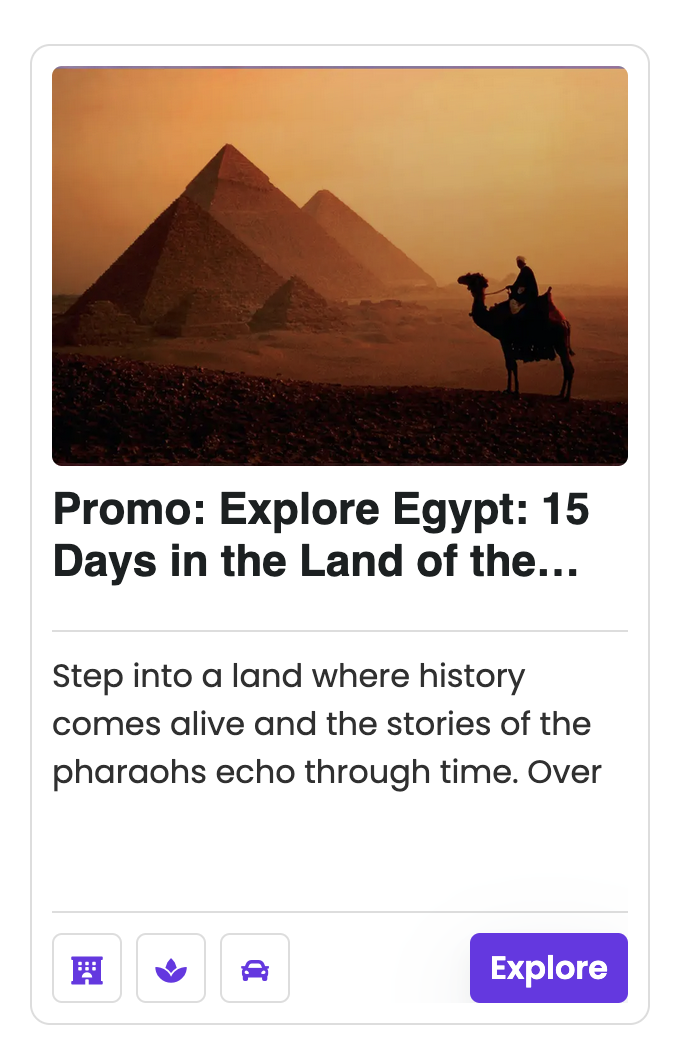
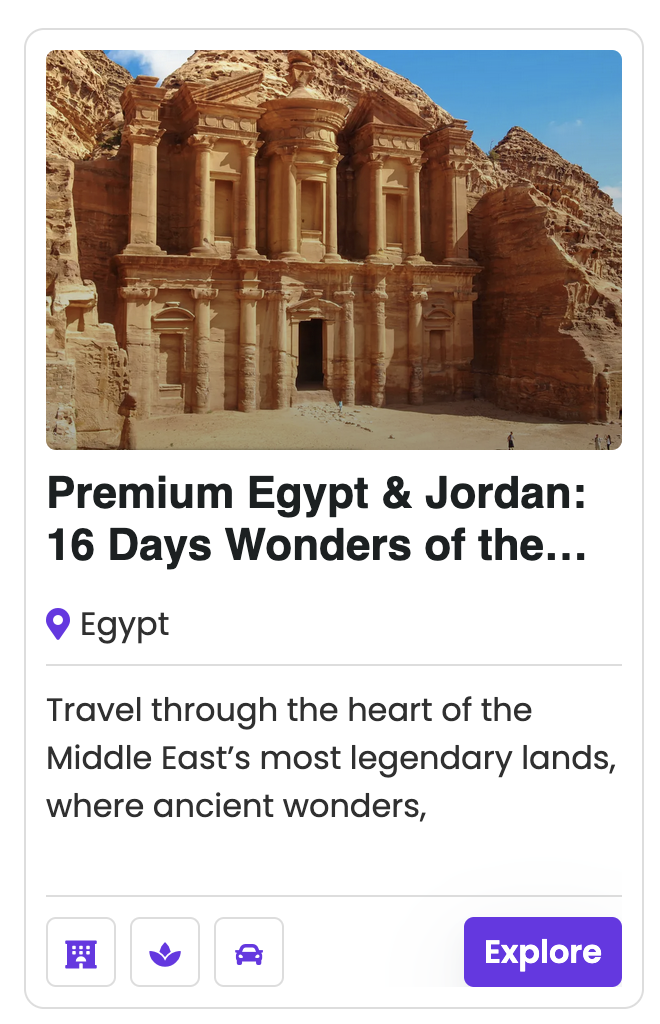
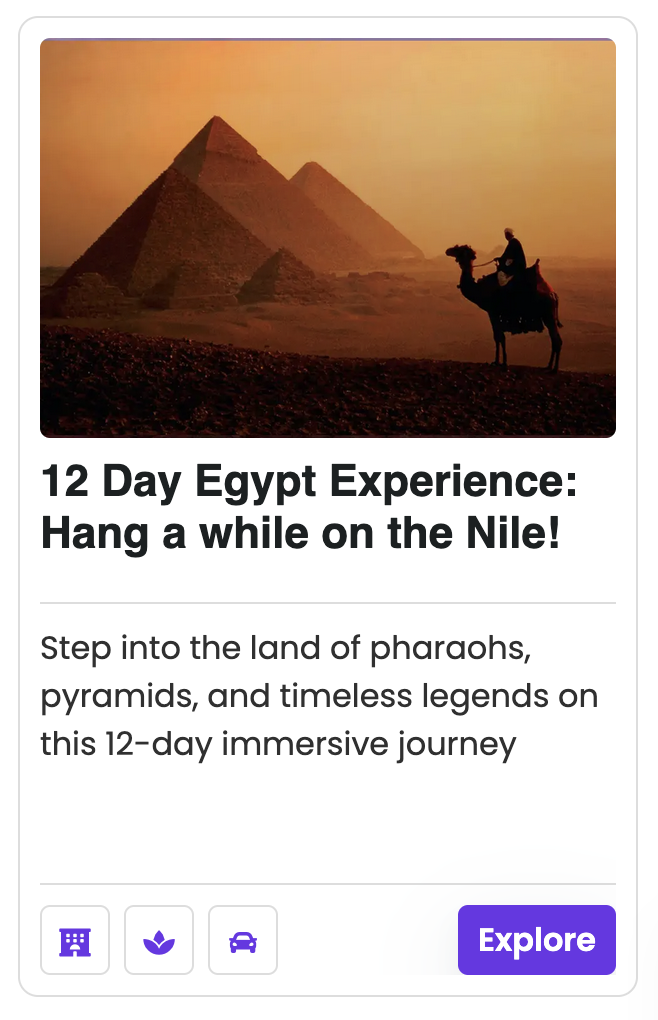
Fall in Love with Egypt
Welcome to Egypt, a land of golden sands, ancient secrets, and timeless wonders. From the mighty Pyramids of Giza to the majestic temples of Luxor and Abu Simbel, every corner of this legendary country whispers the stories of pharaohs, gods, and empires past.
But Egypt is more than history—it’s an experience. Drift down the Nile on a luxury cruise, sip tea in the shadows of millennia-old ruins, and explore bustling bazaars where ancient tradition meets modern energy. Stand in awe beneath the towering columns of Karnak, descend into the mysterious tombs of the Valley of the Kings, and float above it all on a sunrise hot air balloon ride.
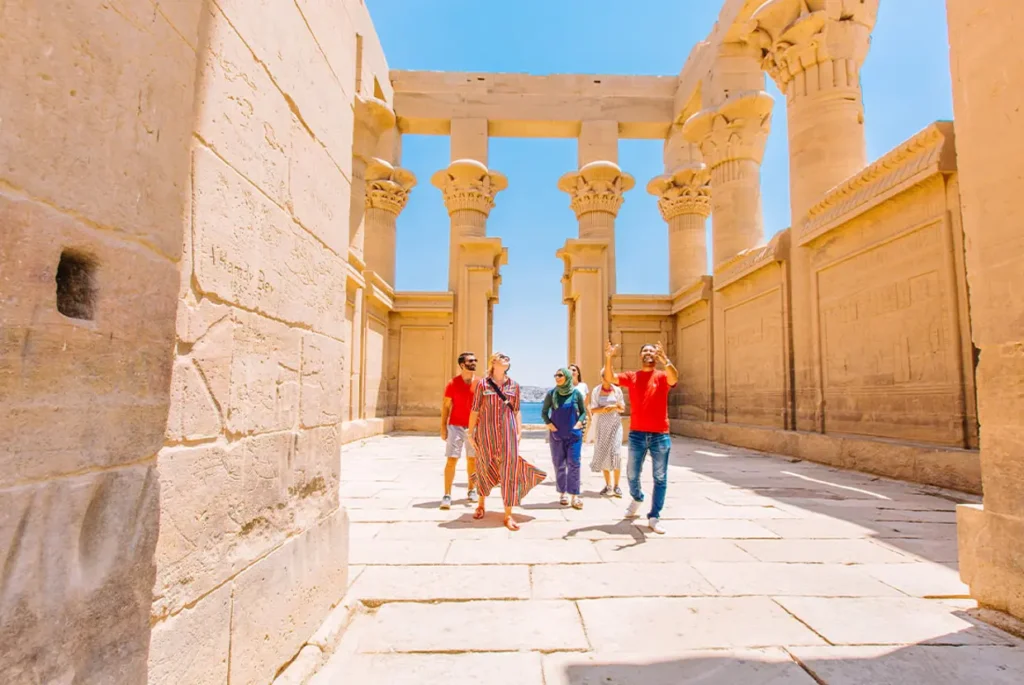
With expert guides, handpicked accommodations, and seamlessly curated itineraries, Voyage Guru takes you far beyond the guidebook, offering exclusive access and immersive experiences that reveal Egypt’s soul—from the silent majesty of the desert to the colorful chaos of Cairo.
Whether you’re tracing the footsteps of Cleopatra, sailing toward sunset on the Nile, or stargazing from a luxury desert camp, Egypt will leave you changed—and wanting more.
Did you know...
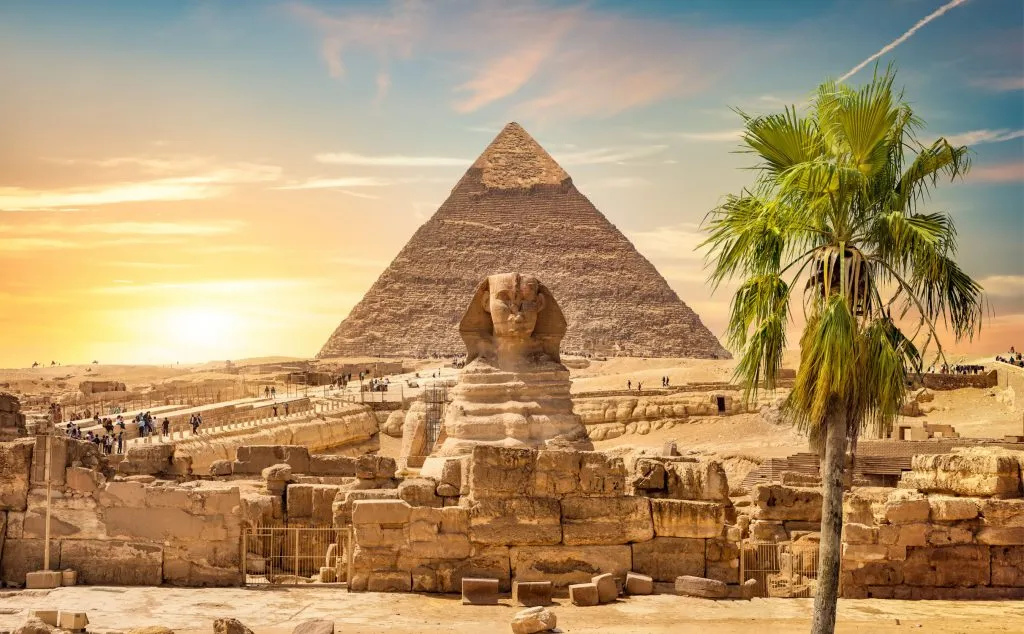
Egypt is home to the last surviving Ancient Wonder of the World. The Great Pyramid of Giza, built around 2560 BC, is the only remaining structure of the original Seven Wonders of the Ancient World—and it’s still a showstopper.
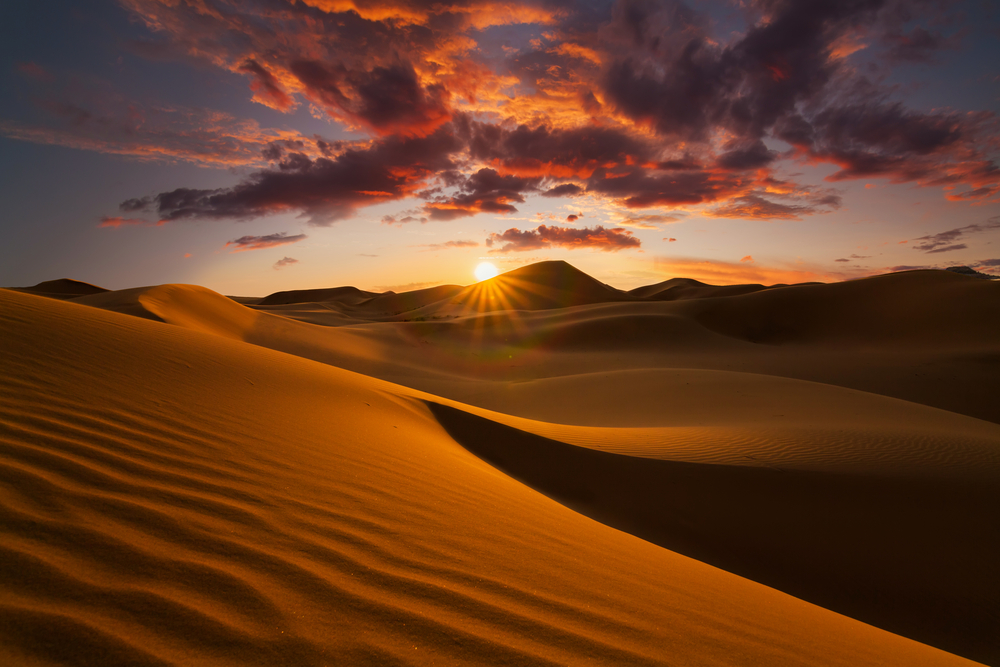
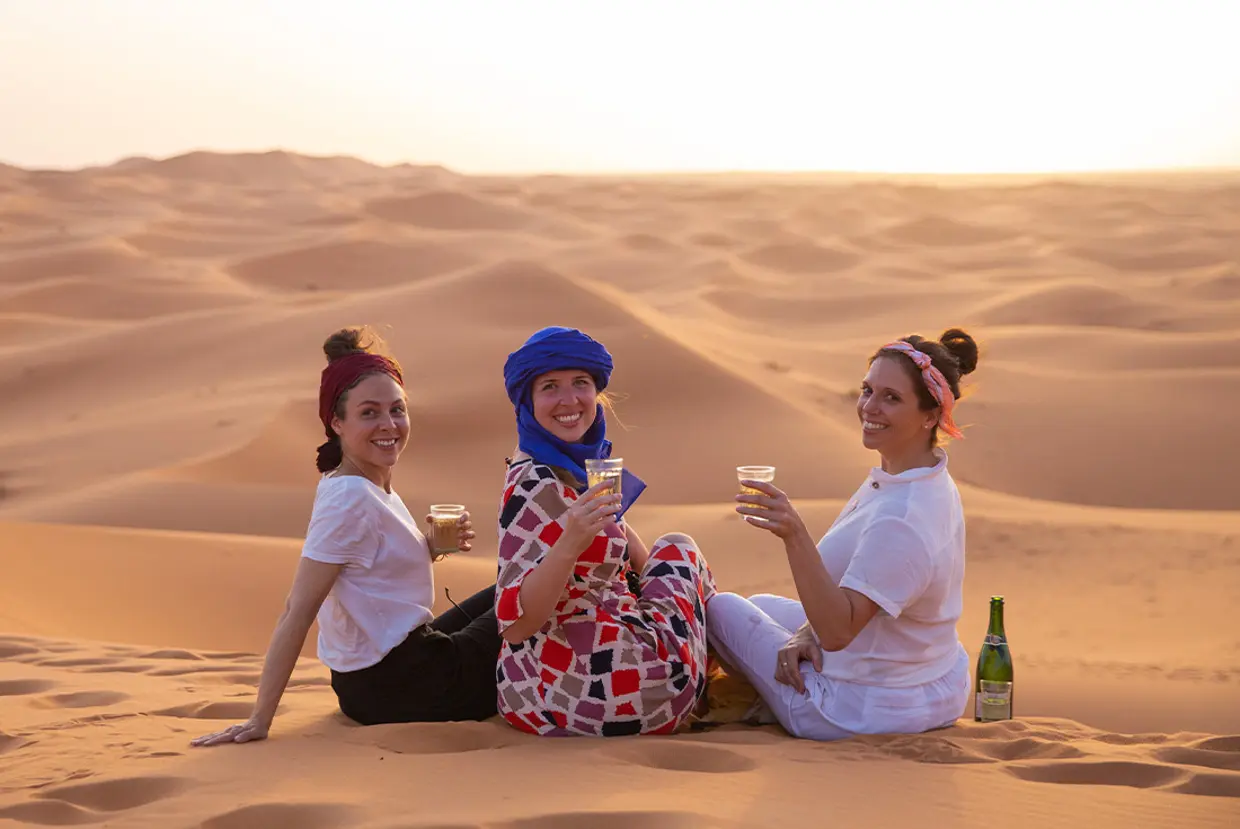
Over 90% of Egypt is desert.
The country is dominated by two major deserts: the Sahara (to the west) and the Eastern Desert (to the east). Yet along the Nile River, the land is lush, fertile, and full of life.
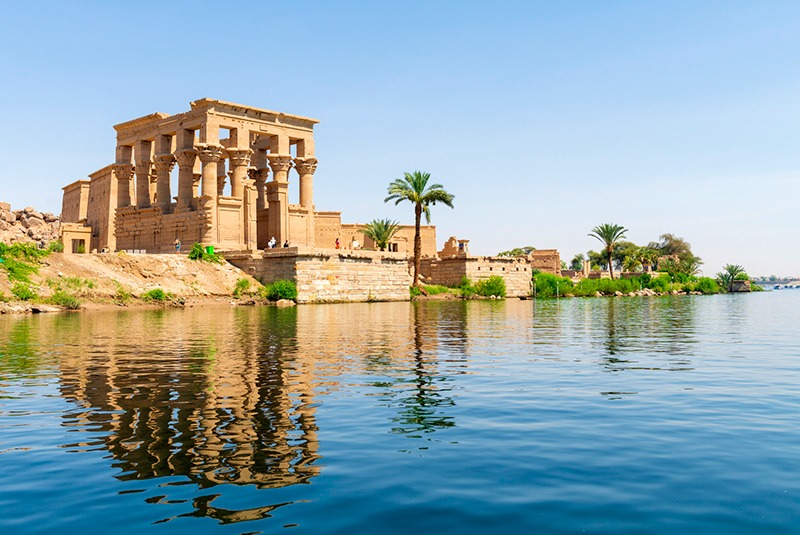
The Nile is the lifeline of Egypt—and the longest river in the world. Flowing for over 6,650 km (4,130 miles), the Nile is Egypt’s primary water source and the heart of its civilization. Ancient Egyptians believed it was a gift from the gods.
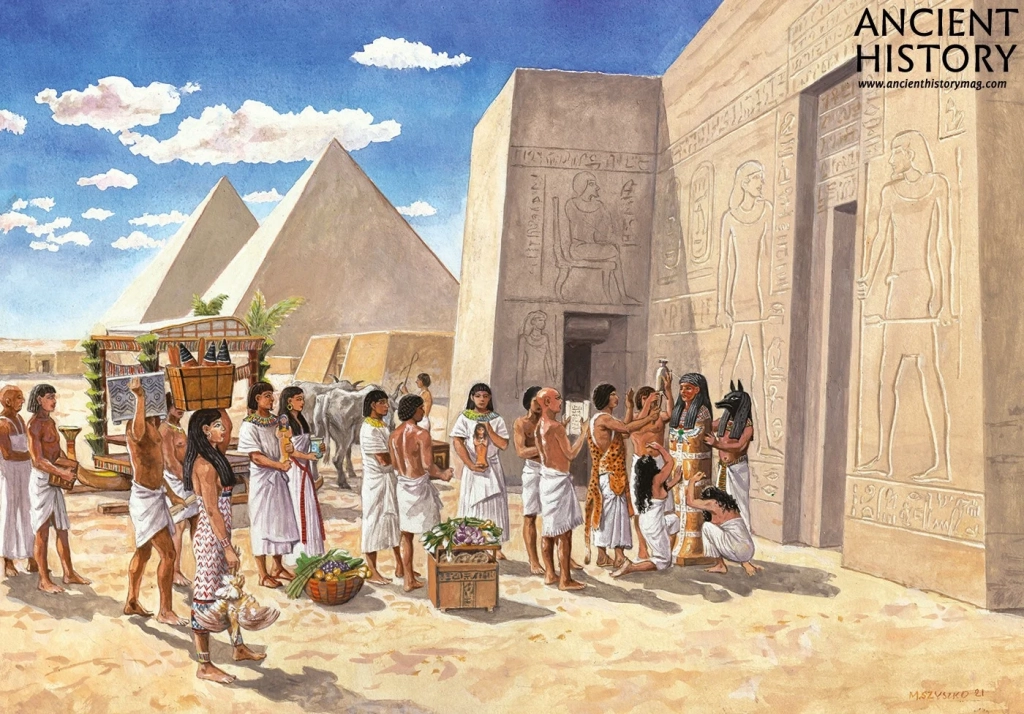
Ancient Egyptians invented toothpaste, paper, and clocks. They were brilliant engineers and innovators. They created papyrus, used natural ingredients for dental hygiene, and developed complex timekeeping systems based on the stars.
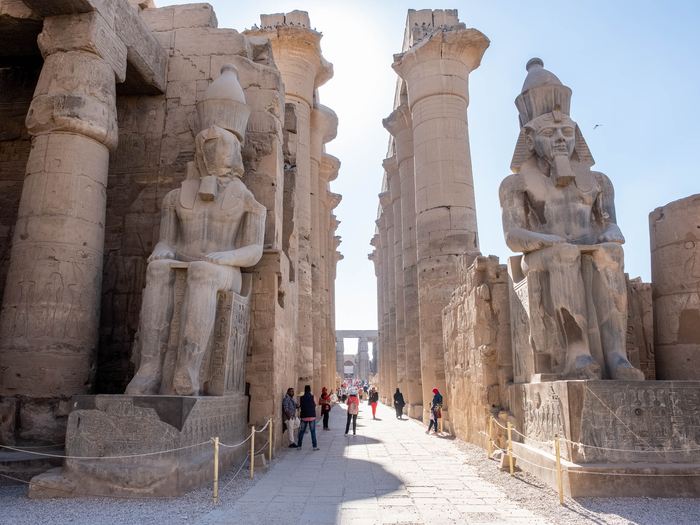
Egypt has over 100 pyramids—and most aren’t in Giza. While Giza holds the most famous ones, dozens of other pyramids are scattered across Egypt, especially in Saqqara and Dahshur, some older and more experimental in design.
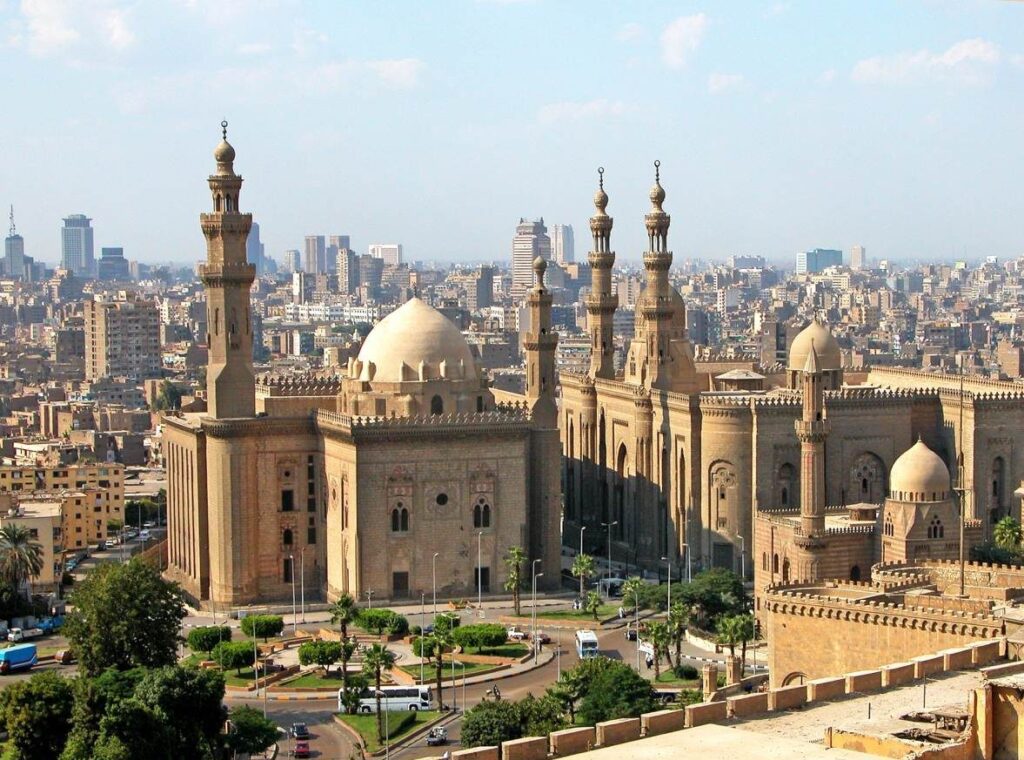
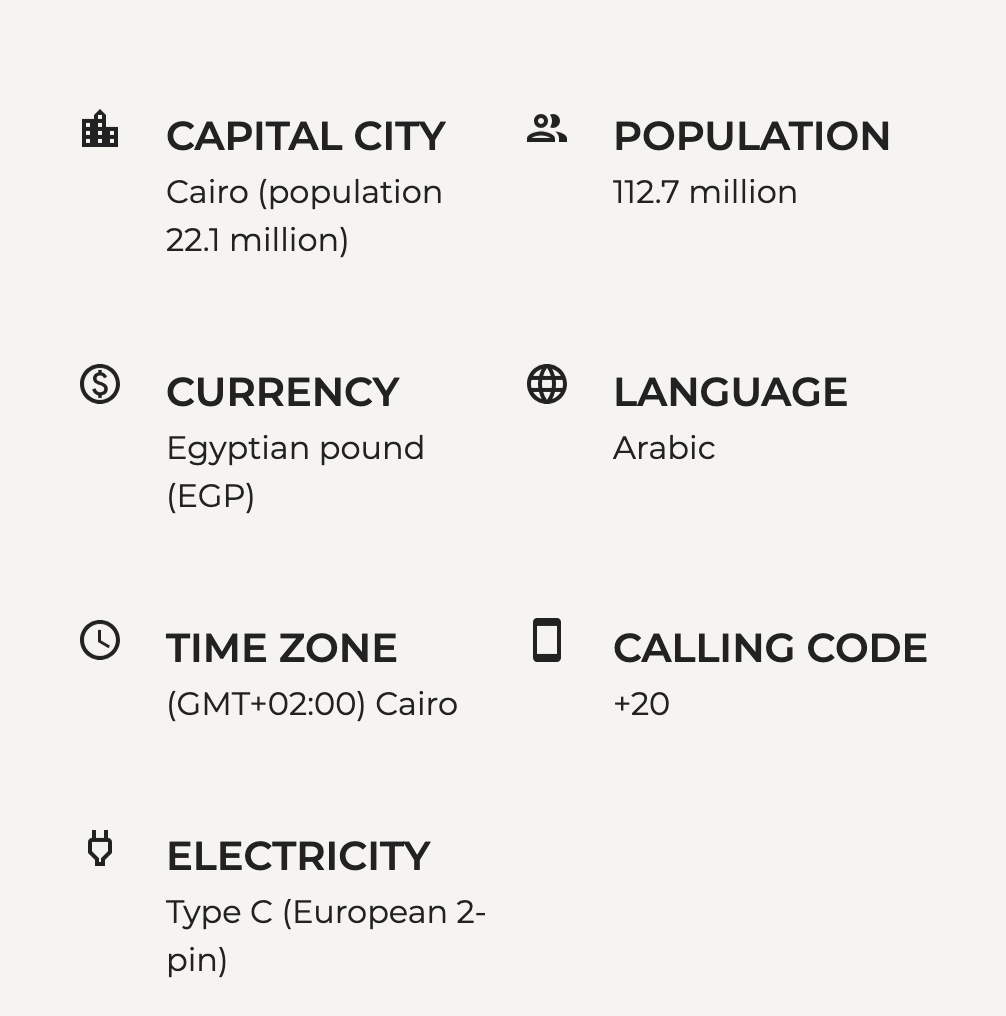
Modern Egypt has two capitals.
Cairo is the political and cultural capital, but a new administrative capital is under construction east of Cairo, planned to ease congestion and host embassies and government offices.
FAQs about Egypt
Most travellers will need a visa to travel to Egypt. Most nationalities can obtain a visa upon arrival at Cairo International Airport or online via the Egyptian government’s official e-visa portal. If you’re not eligible to apply for a visa online, you must do so through your nearest Egyptian embassy or consulate.
For more information, please visit the government of Egypt’s website or the Essential Trip Information.
To enter Egypt, you may need:
Absolutely. All passengers travelling with Intrepid are required to purchase travel insurance before the start of their trip. Your travel insurance details will be recorded by your leader on the first day of the trip. Due to the varying nature, availability and cost of health care around the world, travel insurance is very much an essential and necessary part of every journey.
Tipping is customary for pretty much all services in Egypt. A tip of 10–15% is customary at cafes and restaurants and loose change is acceptable for food purchases from street vendors and markets. It’s also a good idea to tip local guides and drivers.
Summer temperatures can get very high, so light fabrics like linen, cotton and athletic gear made to take the heat are best.
If you’re travelling outside of winter, don’t underestimate the cool change that can come in the evenings, especially if you’re spending the night in the desert or on a Nile cruise.
Avoid packing anything in white – desert dust will quickly change it from white to not-so-white.
Drinking tap water isn’t recommended in Egypt. Remember to avoid drinks with ice and to peel fruit before eating it. Help the environment and try to avoid buying bottled water. Instead, fill a reusable water bottle with filtered water. Ask your leader or hotel where to find filtered water.
Internet access is growing in Egypt, with internet cafes and Wi-Fi hotspots becoming increasingly common in large cities, especially Cairo, though access may be limited in smaller town and remote areas.
Mobile phone coverage is generally good in Egypt’s urban areas but may not be available in remote and desert areas. Ensure global roaming is activated with your service provider before leaving home.
We are committed to making travel widely accessible, regardless of ability or disability. We do our best to help you see the world, regardless of physical or mental limitations.
We are always happy to talk to travellers with disabilities and see if we can help guide them toward the most suitable itinerary for their needs and, where possible, make reasonable adjustments to our itineraries.
What our customers say...
Explore more...
Subscribe to our newsletter for exclusive travel offers, insider tips, and once-in-a-lifetime adventures delivered straight to your inbox.
+01 234 567 890
+09 876 543 210
789 Inner Lane,
California, USA